Take Action      Support Audubon
About Us      Contact Us

Who We Are
Cutting Edge Conservation
  Conservation Agenda
  Advocacy Center
  Audubon Assembly
Saving Special Places
Birds & Birding
How You Can Help
News & Publications

Cutting Edge Conservation >

Florida’s Conservation Agenda for 2008
.

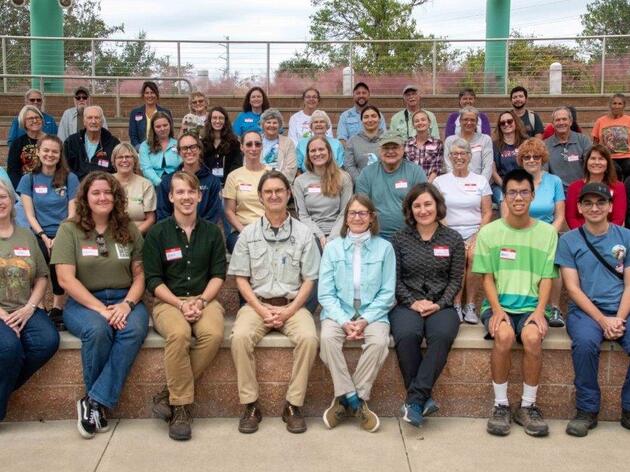
When the Audubon family gathered in Cocoa Beach in October for the annual Audubon Assembly, a new conservation agenda was established for 2008.

Deploying professional staff and expertise and using sound science, Audubon of Florida will call on the volunteer leadership of local chapters, members and grassroots networks, and work with conservation allies, business and community leaders and public officials to carry out the agenda.

Our focus is on state policy priorities and regional conservation goals.

.

Five Major Statewide Strategies

Audubon of Florida’s conservation agenda focuses on five statewide strategies:

The following are summaries of Audubon’s 2008 five major statewide strategies. For the full text of these resolutions, please download the PDF version here.

Land Conservation and Public Land Management

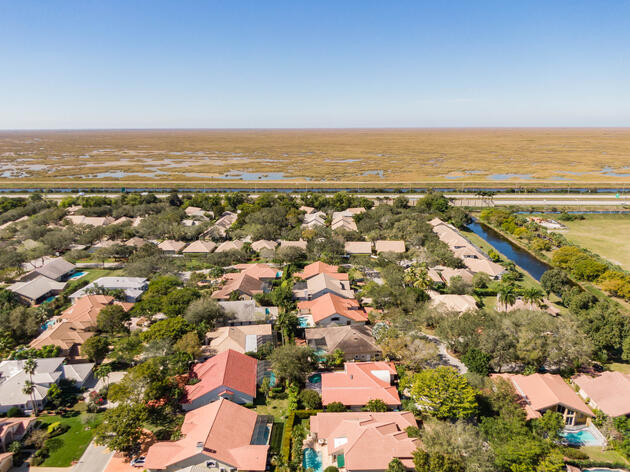
Florida has long relied on public land acquisition to preserve habitat and protect environmentally important lands. However, over the past decades, parts of key ecosystems have been converted to urban uses at a rapid rate. The rate of loss now exceeds the rate of protection and restoration.

Goals:

  • Increase appropriations for buying state conservation lands to at least $300 million and for water management lands to $200 million in 2008.
  • Launch a new acquisition program in the beginning in 2009 to at least double the funds available for land conservation.
  • Complete land acquisition for Everglades Restoration and Lake Okeechobee Recovery by 2010.
  • Initiate new local and regional public land acquisition initiatives, and support new funding for existing programs.
  • Encourage Conservation through Land Use to place conservation easements on private lands as compensation for increased development density.
  • Fund management of public lands to restore natural habitats, control invasive species, make appropriate use of prescribed fire, and advocate for protection of these public lands from municipal use encroachments such as utility corridors, schools, roads, etc.

Audubon of Florida’s Letters and Testimonies

Water for the Environment

Water is a public resource and should be clean, safe and managed for the benefit of natural systems. Florida’s aquatic and estuarine systems have been heavily damaged by drainage, pollution, overuse and mismanagement. Alteration of natural and seasonal recharge of groundwater and flows of surface water must be balanced with environmental needs.

Goals:

  • Revise state policies to give natural systems legal allocations of water to assure their long-term health before water is permitted for other uses.
  • Urge water management districts to set uncompromising schedules for reserving water for natural systems and establishing Minimum Flows and Levels (MFLs), prioritizing MFLs over reservations as a tool for water AND habitat conservation.
  • Maintain, improve and restore natural storage capacity in order to reduce withdrawals and diversions from natural systems.
  • Expand, accelerate and improve floodplain and water recharge area acquisition and management to prevent these areas from being developed while restoring natural areas and ecosystems.
  • Require mandatory water conservation programs as a condition of consumptive use permits and mandatory reuse as a condition of wastewater discharge permits.
  • Encourage partnerships for water storage to help finance, share water resources and allow storage of water on private lands.

Audubon of Florida’s Letters and Testimonies

Growth Management and Transportation

Florida’s growth management and transportation policies are failing to deal with the state’s rapid population growth. New development, often following new roads, is pushing into rural areas. State policies must focus on filling in urban areas and increasing public participation in regional planning. The Department of Transportation should not be the state’s planning agency, and DOT and Turnpike Enterprise, or local expressway authority planners should not direct the future growth of the state.

Goals:

  • Increase grassroots participation in regional and local plans in order to designate habitat protection areas and require specific conservation lands and mitigation to offset new development.
  • Focus state growth management oversight on ecosystems and natural areas. Advocate a greater role for state agencies in protecting resources of regional or statewide concern and key environmental restoration projects, such as in the Everglades.
  • Promote creation of state-led task force processes which marshal the expertise of state and regional agencies and promote public stakeholder involvement to develop a consensus on growth decisions where development threatens vital ecosystems.
  • Initiate and support innovative approaches to land use planning that take advantage of transfer of development rights and green space preservation-type approaches to setting aside conservation areas as well as rural and farm lands.
  • Divert highway corridors away from intact ecosystems and natural areas and insist that highway projects that do punch through natural areas are required to provide considerable funding to compensate for the additional growth pressure placed on rural lands. Require that highway corridor and route decisions be preceded by state, regional, and local decisions on land use which are made in a comprehensive, coordinated process to counter road-induced growth pressures.
  • Oppose the single passenger vehicle/road building model of growth, in an attempt to address the threat of global warming and climate change. Lobby for increases in funding for mass transit projects and decreases in spending for conventional road projects.

Audubon of Florida’s Letters and Testimonies

Wildlife and Protected Species

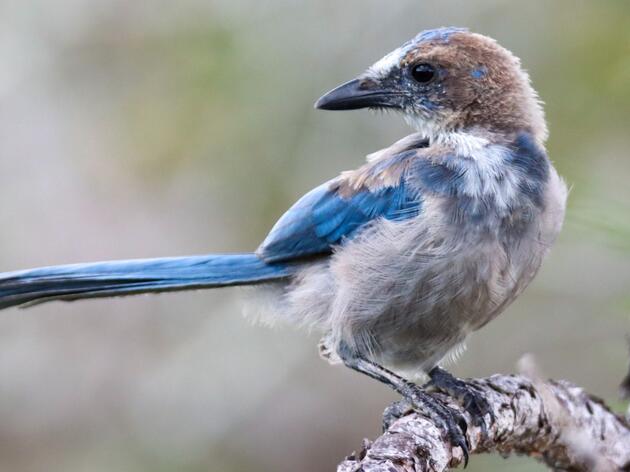
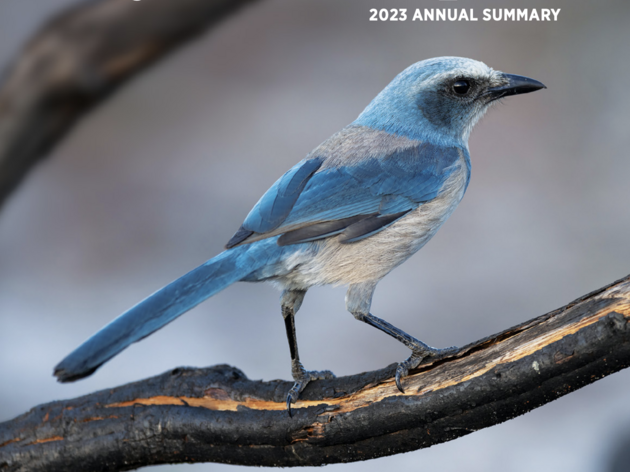
Audubon of Florida will engage primarily on issues affecting the state’s birdlife in concert with National Audubon’s goals of keeping common native birds common and increasing populations of declining bird species. We will advocate for species in other taxa when there are broader habitat conservation or policy implications benefiting a suite of species.

Goals:

  • Amend and strengthen state and federal protected species rules to increase emphasis on appropriate designation and protection of species and critical habitat.
  • Advocate for habitat acquisition, both full-title and less-than fee alternatives.
  • Use Audubon science to support efforts to protect and restore key habitats and systems.
  • Support innovative programs to support wildlife conservation on private lands.
  • Demand enforcement and expansion of existing imperiled wildlife protections, restoring strong science as the basis for agency decisions.
  • Seek consistent consideration for wildlife protection in permitting and rule-making across state and federal agencies.

Audubon of Florida’s Letters and Testimonies

Climate Change

Climate and weather changes are likely to alter habitats and stress plant and wildlife species. Species that are not able to adapt will face a much greater risk of extinction. Most bird species, because of their special evolutionary strategies including migration and specialized habitat and foraging needs, will be significantly affected by climate change.

Goals:

  • Promote local, state and federal action to set specific greenhouse gas emission reduction goals and targets and identify strategies to minimize risks posed by rising sea levels and other global warming effects.
  • Promote the adoption of clean alternative energy sources in both energy production and transportation.
  • Oppose transportation projects such as new roads that increase Florida’s dependence on single passenger vehicles and support transportation strategies that move people and goods efficiently.
  • Promote conservation, energy efficiency, green building standards, compact development and other energy efficiency technologies.
  • Support the implementation of a sustainable renewable energy portfolio so that electric power utilities can harness sustainable solar, biomass and other energy generation technologies.
  • Engage the public and decision makers to create demand for US action to solve global climate change.
  • Educate our members and the public about the impacts and opportunities to reduce and mitigate climate change.

Audubon of Florida’s Letters and Testimonies

Your Role is Key

Please support the 2008 Conservation Agenda by taking these actions:

1. Join the Florida Conservation Network to get regular email reports on policy issues.

2. Participate and take a leadership role with your local Audubon Society. Come to the regional conservation committee meetings where the six above referenced programs are discussed.

3. Attend the annual Audubon Assembly in October 2008.

4. Speak with, write to, or call elected decision-makers and other public officials and ask them to support environmental laws and programs.

5. Underwrite Audubon of Florida’s public policy programs with regular donations.

Together we can mitigate the consequences of growth by protecting Florida’s land and water and our birds and other wildlife.


Home | Who We Are | Cutting Edge Conservation | Saving Special Places | Birds and Birding
How You Can Help | News and Publications | Join Audubon of Florida
About Audubon | Support Audubon | Take Action | Contact Us
Copyright by National Audubon Society, Inc. All rights reserved.