Take Action      Audubon.org
About Us      Contact Us

Saving Special Places
  Save Our Swamp
 
· History
· What's Going On
· Why You Should Care
  Northeast Florida Program
  Everglades Restoration Initiative
  Lake Okeechobee
  Important Bird Areas
  Audubon Sanctuaries
  Central Florida Ecosystem
  Corkscrew Swamp Ecosystem
  Keys Environmental Restoration Fund

Saving Special Places >

Saving Special Places
Save Our Swamp

Audubon's Campaign to Protect Water, Wetlands, Wildlife and Wood Storks

A Victory for Wetlands, Wood Storks, Water, and All Supporters of the Save our Swamp Initiative

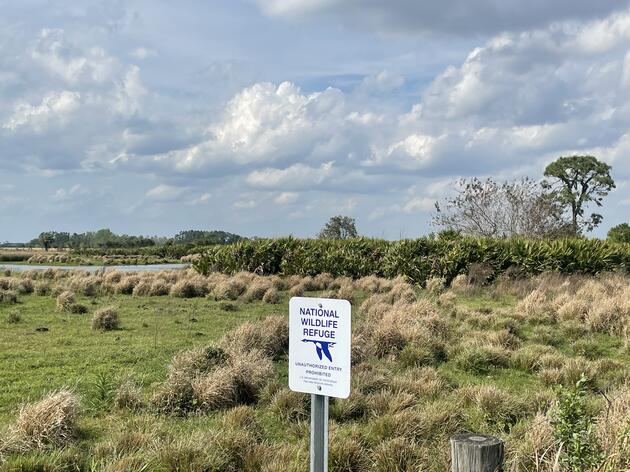
Cocohatchee Slough wetlands flowing from Florida Audubon’s Corkscrew Swamp Sanctuary and the wood stork habitat so important to this species received important protection in October. A federal judge agreed with Audubon and its allies, ruling to revoke a wetlands destruction permit issued to a developer in 2007.

Audubon of Florida, Collier County Audubon Society, National and Florida Wildlife Federations, and the Conservancy of Southwest Florida, with litigation support from the Everglades Foundation, have been working for years to protect the Cocohatchee Slough from harmful development. In his ruling, federal District Judge Jose Martinez revoked the Mirasol wetland destruction permit issued by the U.S. Army Corps of Engineers in 2007, and invalidated the U.S. Fish and Wildlife Service’s Biological Opinion, which assesses the project’s potential threat to endangered wood storks nesting at Corkscrew.

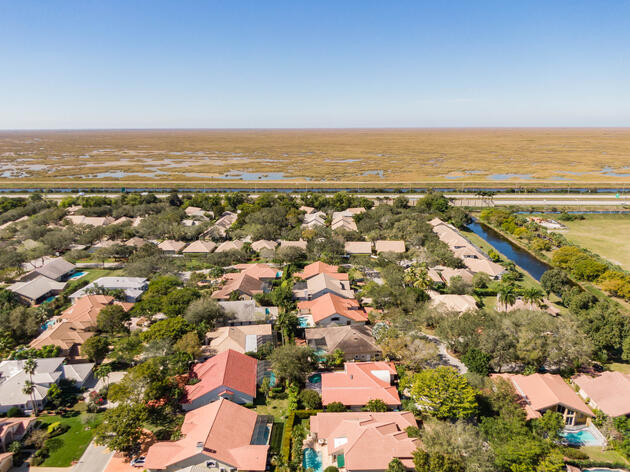
The basis for the revocation of the permit was agreement with the environmental groups’ claim that accounting for the cumulative impacts of all the development in the same watershed was inadequate.  Mirasol would destroy 645 acres of wetlands and stork habitat in order to build two golf courses and 799 homes, while other adjacent projects would destroy at least another 500 acres.

A ruling from the same judge is expected soon on a similar challenge Audubon and its allies filed against the adjacent Saturnia Falls project.  While such rulings can be appealed, it is not clear yet what will happen next.  Regardless, this is a clear victory for wetland and habitat protection, and is the result of the support and persistence of our members, friends and allies. Learn more about what’s going on?

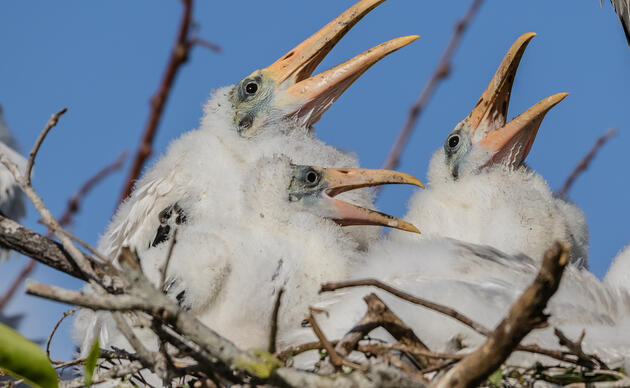
Wood Stork © RJ Wiley
The History Behind This Issue
Developers, such as Mirasol, set their sites on destroying the Cocohatchee Slough back in 2000 when Mirasol applied for a state and federal permits to build its residential golf course project. The original proposal to the South Florida Water Management District and US Army Corps of Engineers called for a regional drainage ditch. Read more about the history behind this issue.

Why You Should Care
Wetlands, such as those that would be destroyed if the Mirasol project is approved, provide essential life-support functions, not only for wood storks and wildlife, but for all of us.

Natural wetlands recharge and clean our fresh water;
The threatened wetlands connect the water flowing from Corkscrew Swamp Watershed (often called the Western Everglades) into the Wiggins Pass/Cocohatchee River coastal estuary; and,
This and other proposed development in the Slough will severely threaten the rest of these natural lands, their ecological connections, and the wildlife that depend on them.

Continue here to learn more about the impact Mirasol will have. You can also read about how Audubon is targeting wetland rules to protect Mirasol and other important wetlands.


Home | Who We Are | Cutting Edge Conservation | Saving Special Places | Birds and Birding
How You Can Help | Publications | News
Take Action | Audubon.org | About Us | Contact Us
Copyright by National Audubon Society, Inc. All rights reserved.