 |
|
 |
 |
Saving Special Places >
Saving Special Places
Everglades Restoration Initiative
One of Audubon of Florida’s most significant contributions
to Florida conservation has been our ongoing involvement in
the restoration of the Everglades ecosystem. Our strategies
include:
- Restore
the Kissimmee River
Between 1962 and 1971, the United States Army Corps of Engineers
(USACE) channeled the Kissimmee River and created a 30-foot
deep, 300-foot wide, 56 mile long drainage canal (C-38).
This project converted 44% of the floodplain to pasture,
draining approximately 31,000 acres of wetlands. Before
channelization, the river was a haven for wildlife, including
at least 39 species of fish and 38 species of water birds.
River restoration will improve water quality for the Everglades,
increase water storage capacity and allow the return of
the river’s once-abundant wildlife.
- Heal
Lake Okeechobee
Lake Okeechobee was the historical gatekeeper between the
watershed from the north and the Everglades to its south.
At times of high water, the lake would overflow its southern
boundary, replenishing the Everglades with freshwater. At
times of low water, the flow would stop, allowing the ‘glades
to dry seasonally. The system no longer functions in this
way. Water is artificially shunted in different directions
at unnatural times of year, and the quality of that water
is far poorer. In recent years, Lake Okeechobee has suffered
from hurricane-deepened water levels and intense water quality
problems, and has been forced to discharge harmful pulses
of freshwater to the St. Lucie and Caloosahatchee estuaries.
The symptoms are clear-- water management in South Florida
isn't working for the lake—and Everglades restoration
depends on the fate of the Lake.
- Ensure Water Quantity for the Everglades
There is every indication that Everglades restoration will
be a reality in our lifetime. Once restored, however, what
will prevent the future degradation of this national treasure?
To combat this future threat, the Everglades must be protected
from the potentially devastating demands of growing urban
populations. We must maintain a balance, and share in adversity.
Once a balance is struck, it must be maintained. There must
be assurances that, once restored, the Everglades will not
be sacrificed to shortsighted, short-term solutions to the
foreseeable problems of competing water needs and inequitable
water distribution.
- Ensure Water Quality: Urban and
Agricultural Pollution in the Northern Everglades
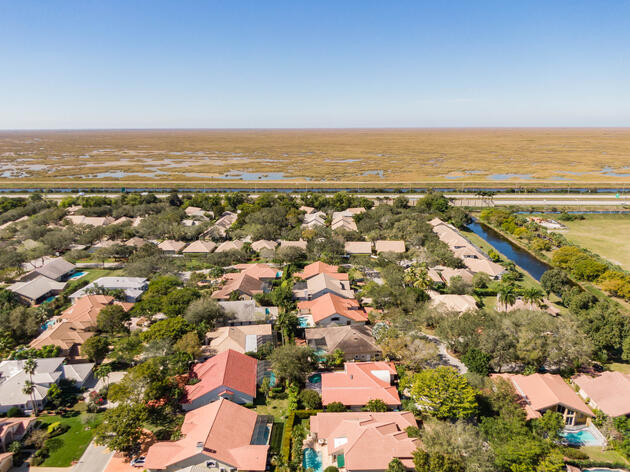
Long term planning for the Everglades Agricultural Area
must take place. Florida leaders must begin long term planning
for the future of the EAA after the sugar industry is gone.
Failing such planning, the future environmental impacts
of this area could be even worse than the problems caused
by agriculture. Real estate development for urban uses could
sweep across the EAA – spelling final doom for Everglades
water quality.
- Restore Water Flows to the Southern
Everglades
Starting in the late 1800’s humans began to try and
"tame" South Florida. Presently there are over
1000 miles of canals that drain water from the historic
Everglades, and push this water into coastal estuaries and
the Gulf of Mexico. These actions have had devastating results
on the South Florida ecology. Much of the remaining Everglades
receive too little water, while others receive far too much
water because they are used as stormwater dumping areas.
The tropical estuaries are being flooded with too much freshwater,
completely disrupting the ecology of these important fish
nurseries.
- Safeguard Southwest Florida and
the Big Cypress
With one of the fastest growing human populations in the
country, Southwest Florida is threatened by habitat destruction,
mis-management of water resources, and conflicting local
and regional land use decisions. While several public lands
in Southwest Florida are protected (e.g., Ten Thousand Islands,
Florida Panther National Wildlife Refuges, Fakahatchee Strand
State Preserve, Collier-Seminole State Park, Picayune Strand
State Forest), they depend on key areas that are in private
ownership and remain vulnerable: the fate of Southwest Florida’s
natural ecosystems is dependent on these critical areas.
- Restore Florida Bay and the Keys
Ecosystem
At the end of the Everglades system lie Florida Bay and
the Keys Ecosystem. They function as nurseries for Roseate
Spoonbills and our sport- and commercial fisheries. They
provide critical stopover habitat for neotropical migratory
songbirds. Elaborate tree snails climb in the tropical hammocks
and manatees feed on seagrasses in the Bay. Audubon’s
Tavernier Science Center has applied itself to the conservation
of Florida Bay for nearly a century and our Keys
Environmental Restoration Fund seeks to save and restore
the last remnants of this once wild area.
|
 |
|
 |