|
Saving Special Places >
Everglades Restoration
Kissimmee River
The Kissimmee River was unique among the rivers of North America.
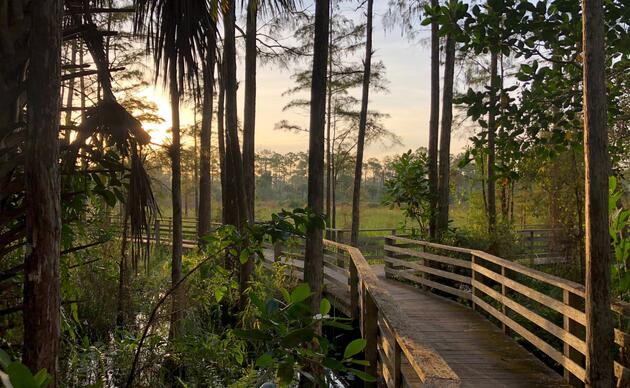
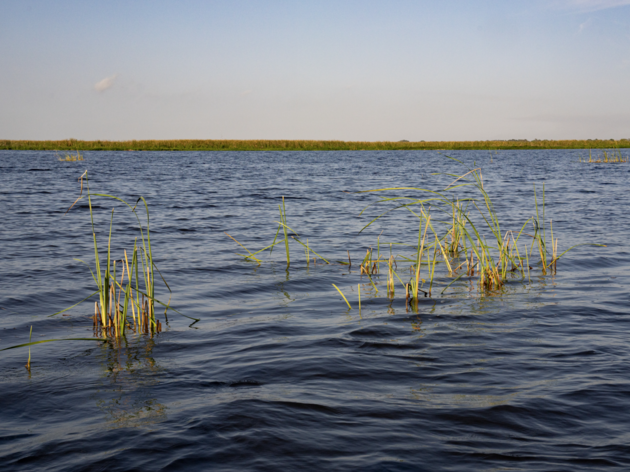
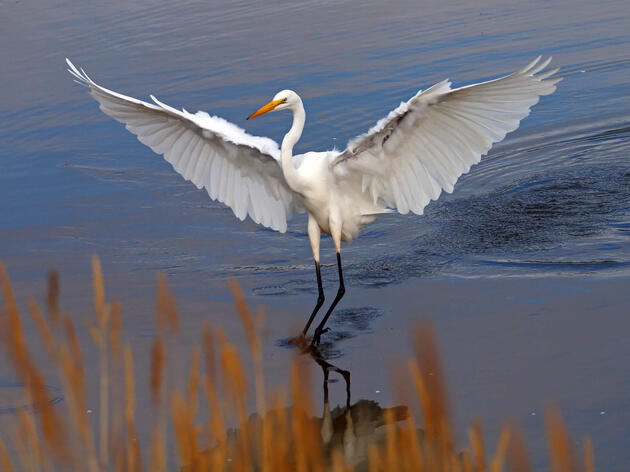
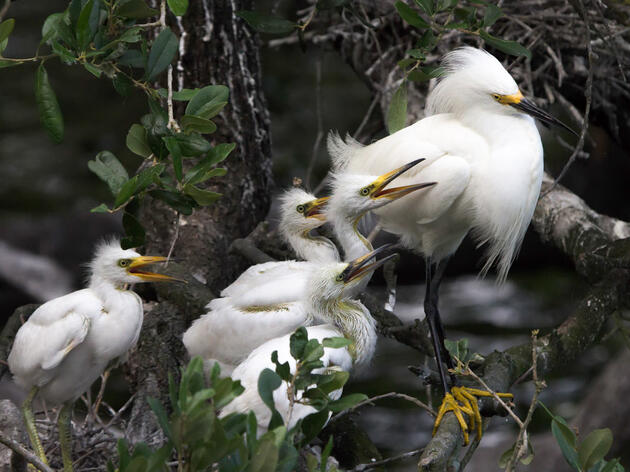
During the dry season, the 103 mile shallow river and its many oxbows wound their way through a diverse array of wetland habitats. As the rains fell, the river swelled across the floodplain, becoming a mile or two wide though only a few feet deep. Eventually, the rains would cease, and the river would shrink back into its meandering depressions. This cycle was critical to the many species of organisms that thrived along the Kissimmee. However, the constant threat of flooding was not conducive to development within the region. Between 1962 and 1971, the United States Army Corps of Engineers (USACE) channelized the Kissimmee River and created a 30 foot deep, 300 foot wide, 56 mile long drainage canal (C-38). This project converted 44% of the floodplain to pasture, draining approximately 31,000 acres of wetlands. Before channelization, the river was a haven for wildlife, including at least 39 species of fish and 38 species of water birds.
After channelization, most of the wildlife disappeared. Utilization of the river by ducks decreased an estimated 93%. This reduction appears to be a trend among almost all types of wildlife that once depended on the river. Another major problem associated with the channelized river, are the marshes no long help filter and reduce the phosphorus and other agricultural runoff, which now is transported into Lake Okeechobee, the heart of the Greater Everglades Ecosystem.
The need to restore the Kissimmee is evident, and has been supported by a large grassroots effort. After more than a decade of environmental and engineering studies, in 1992, Congress authorized the USACE to implement the Kissimmee River Restoration Project. Only part of the river will be restored, however, by the removal of two water control structures and the filling in of 22 miles of canal.

The restoration of the river will result in:
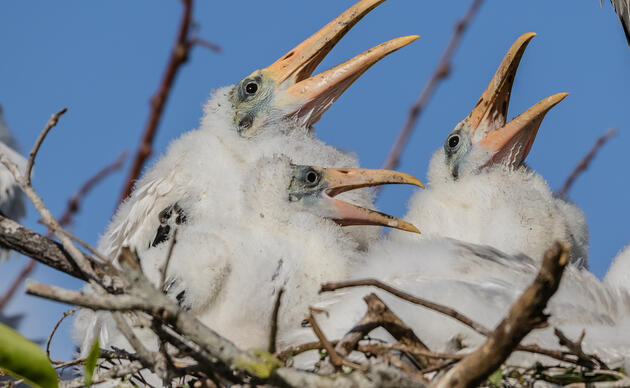
- More quality habitat for the many species that historically used the river, including Bald Eagles, Snail Kites, and Wood Storks.
- Vastly improved water quality in the river, and downstream in Lake Okeechobee and the Everglades.

Increasing the amount of wetlands along the Kissimmee also will help trap nutrients like phosphorus and slow the eutrophication of Lake Okeechobee. For this reason, additional wetlands should be preserved or restored along the river in addition to those targeted by the restoration project.
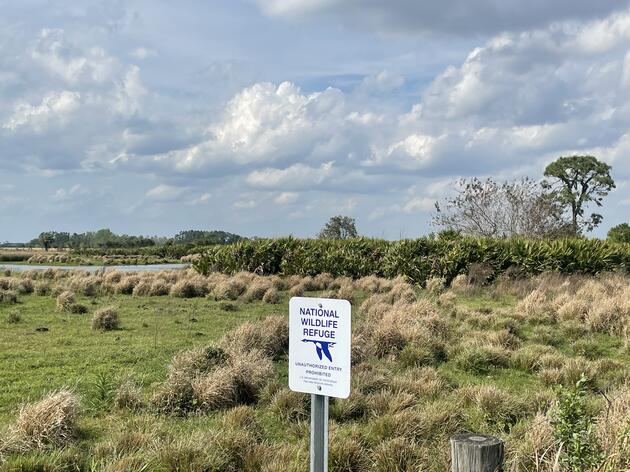
As of March 2001, the first phase of the Kissimmee River Restoration Project has been completed. About 7.5 miles of the canal have been filled and new river flow-ways have been recreated to restore the "braided river" floodplain marshes of the Kissimmee. A tribute is due to the restoration team, this part of the project was completed under budget and ahead of schedule.
In spite of this success, the future of this project is uncertain. About $90 million is needed within the next three years for land acquisition to keep the Kissimmee River restoration on schedule. Audubon is working to insure funds continue to be allocated for Kissimmee River restoration. If the state and federal agencies cannot complete this project, the future of the much larger Greater Everglades Ecosystem restoration process is in jeopardy.
|